English
 Arabic
 Danish
 Dutch
 Finnish
 French
 German
 Hebrew
 Italian
 Japanese
 Norwegian
 Polish
 Portuguese
 Spanish
 Swedish
 Russian

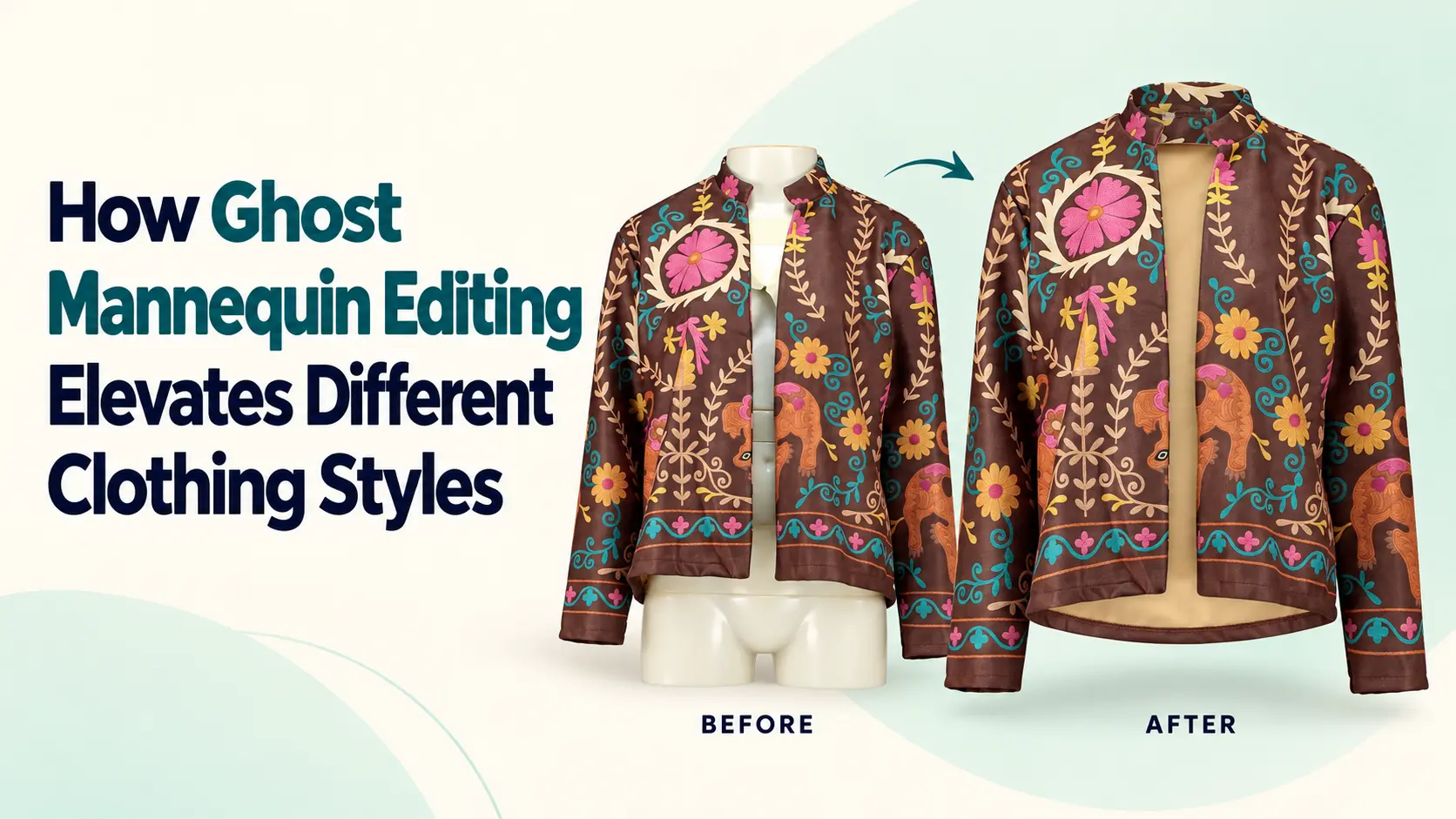
How Ghost Mannequin Editing Elevates Different Clothing Styles
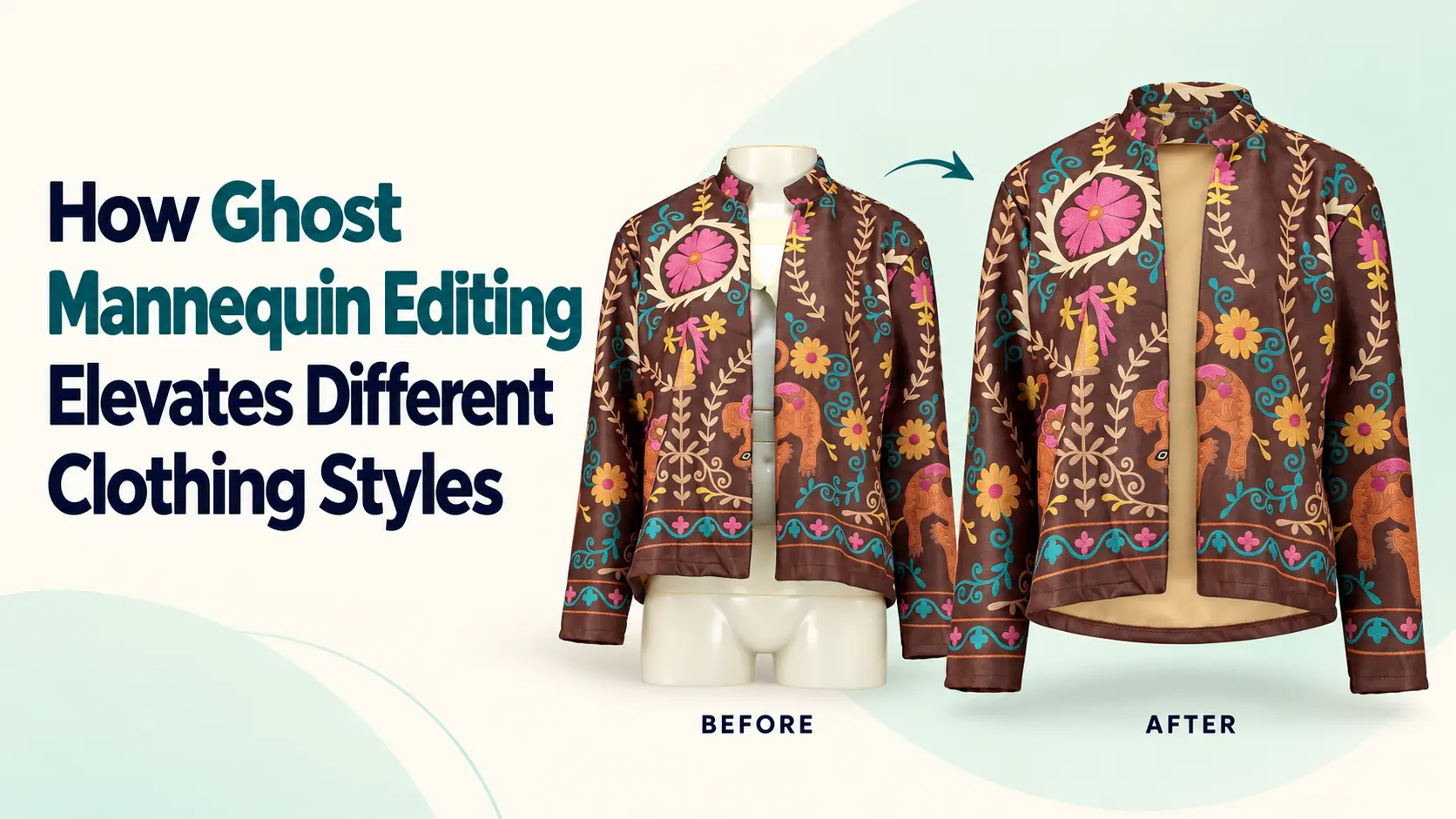
Your product photos are the silent salespeople in fashion e‑commerce. And if they fail, so does your conversion rate. Ghost mannequin editing, also called invisible mannequin photography, helps with this. It transforms flat, lifeless apparel shots into dynamic, 3D visuals that showcase true fit and style.
This technique removes the mannequin while preserving shape. It gives shoppers a realistic view of how clothing looks when worn. Ghost mannequin editing is the secret weapon that elevates fashion photography and drives sales. From casual T‑shirts to elegant dresses.
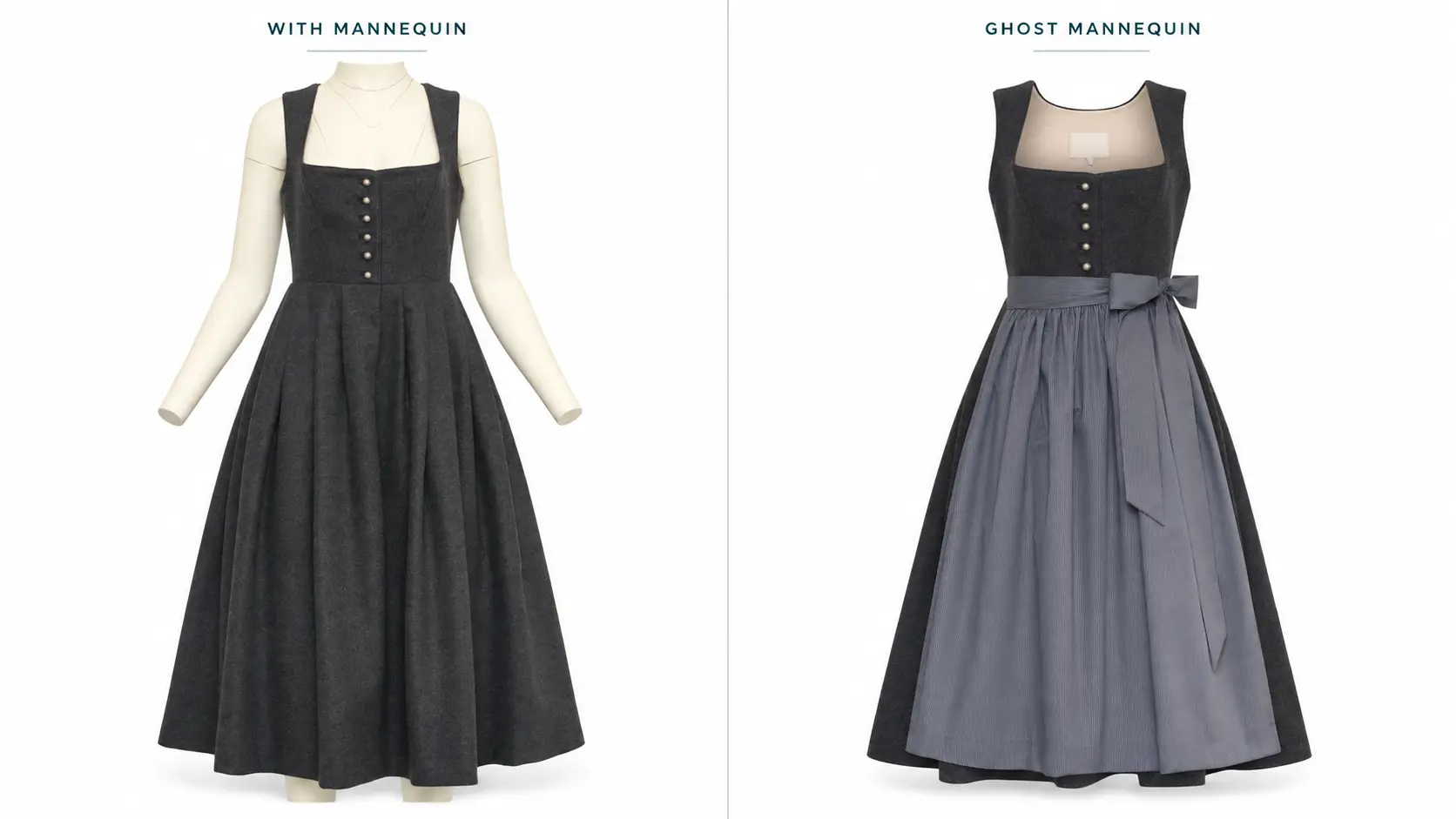
Why Clothing Styles Need Different Editing Approaches
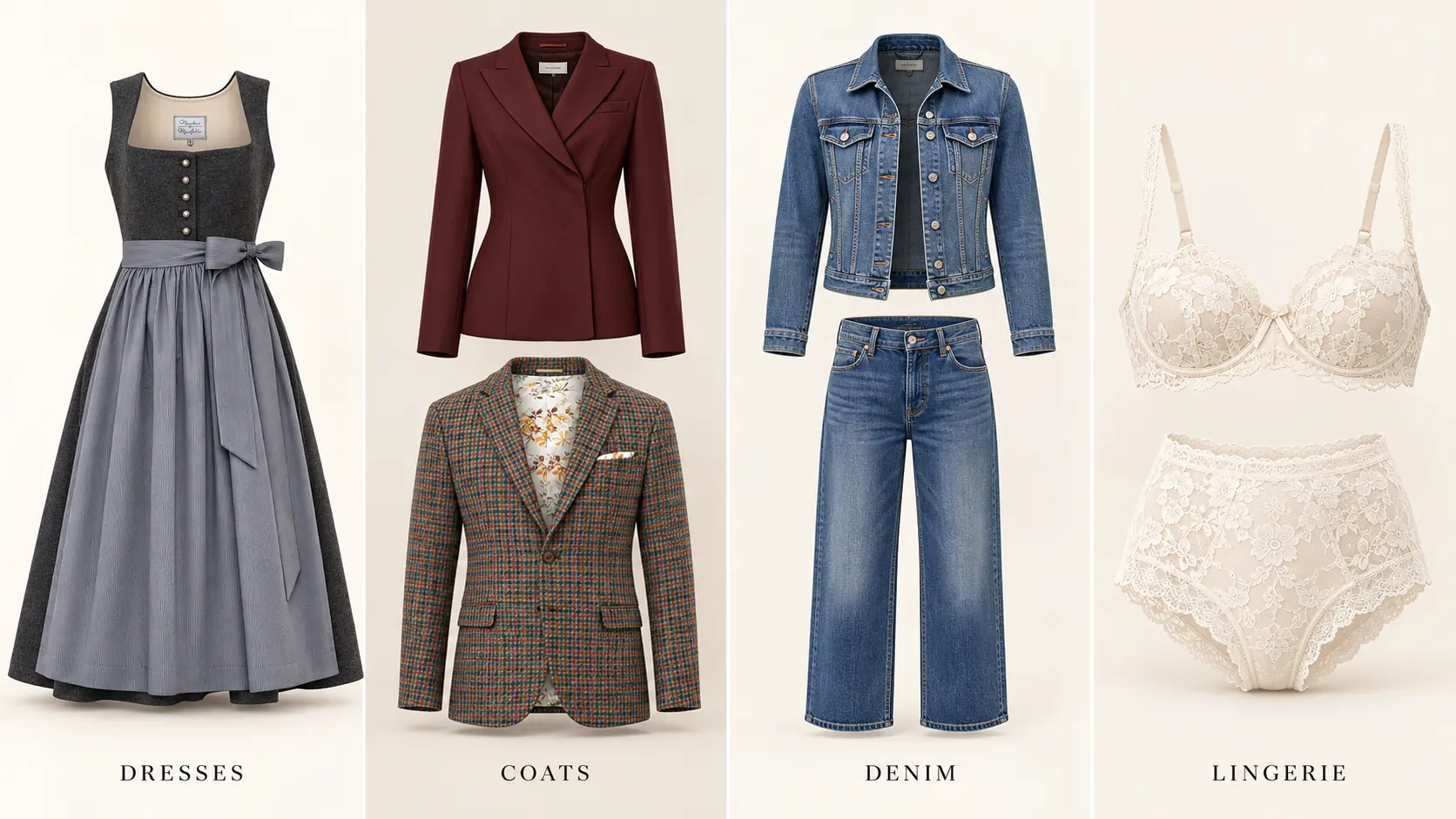
One size never fits all in fashion photography. Especially when it comes to editing. A ghost mannequin edit for a simple T‑shirt is not the same as one for a flowing gown. Each clothing style carries unique design elements that must be preserved to maintain authenticity and appeal.
Casualwear: Neckline and collar alignment are critical. Poor edits make shirts look flat or lifeless, reducing their appeal.
Dresses & Formalwear: Silhouette and hem flow must be carefully maintained. Ghost mannequin editing captures drape and elegance better than flat lay photography.
Outerwear: Jackets and coats demand precision around lapels, lining, and sleeve joints to highlight structure and craftsmanship.
Denim & Bottoms: Waistband flatness and rise accuracy ensure customers see a true fit, which reduces return rates.
Lingerie & Swimwear: Delicate handling preserves shape without distortion. Straps and inner lining must be edited carefully to maintain trust.
Knitwear & Sweaters: Texture and drape balance is key. Shoulder and sleeve joints must be refined to avoid bulkiness.
Overall, it has a positive impact on your business. Style‑specific editing delivers catalog consistency, higher conversions, and fewer returns. This turns product photos into powerful sales tools.
T‑Shirts & Casualwear
T‑shirts and casualwear may seem simple. But they’re often the backbone of fashion e‑commerce catalogs. Without proper editing, these garments risk looking flat, wrinkled, or uninspiring. Ghost mannequin editing transforms everyday apparel into polished visuals that highlight fit, texture, and style. This makes even basic items look premium.
Neckline Precision: Clean neckline presentation ensures collars and seams align naturally, avoiding distortions that cheapen the look.
Collar Alignment: Round, V‑neck, or polo collars must be edited symmetrically so the garment appears balanced and professional.
Shoulder and Sleeve Joints: Invisible mannequin techniques refine shoulder drape and sleeve flow. This prevents the flat lay effect that strips dimension.
Fabric Texture Retention: Cotton and blended fabrics need subtle shadowing to highlight softness and quality without erasing texture.
Fit Representation: A 3D effect shows how casualwear fits on the body. This boosts shopper confidence and reduces returns.
Common Mistakes: Misaligned neck joints, inconsistent lighting, or overly smoothed fabric lower conversion rates.
Polished T‑shirt and casualwear images drive higher engagement, stronger catalog consistency, and improved sales. By tailoring ghost mannequin editing to casualwear, brands elevate even the simplest garments into compelling visuals that sell. This proves that small details make a big difference in fashion e‑commerce.
Dresses & Formalwear
Dresses and formalwear are the showpieces of fashion catalogs. But they’re also the most challenging to photograph. Without proper editing, their elegance, drape, and silhouette can be lost. This leaves garments looking flat or unappealing. Ghost mannequin editing ensures these items retain their natural flow and sophistication. It presents them in a way that resonates with online shoppers.
Silhouette Preservation: Dresses rely on shape to convey style. Editing highlights waistlines, curves, and proportions without distortion.
Hem and Drape Flow: Flowing fabrics in gowns or tunics must appear natural. Ghost mannequin techniques capture movement and prevent stiffness.
Neckline and Bodice Accuracy: Strapless, halter, or deep‑neck designs require precise edits to maintain clean lines and symmetry.
Fabric Detailing: Satin, silk, lace, and chiffon demand careful shadowing to showcase texture and luxury. Over‑editing flattens these details.
Fit Representation: A 3D effect shows how dresses fall naturally on the body. This increases buyer confidence.
Common Mistakes: Misaligned seams, unnatural shadows, or cropped hems reduce professionalism and appeal.
High-quality dress and formalwear images elevate brand perception, increase conversions, and reduce returns. Ghost mannequin editing for dresses and formalwear helps brands showcase elegance and craftsmanship. This turns product photos into aspirational visuals that drive sales and strengthen customer trust.
Outerwear: Jackets & Coats
Jackets and coats are among the most complex garments to edit. This is because of their structure, layering, and heavy fabrics. Without proper adjustments, they can appear bulky, uneven, or lose the premium appeal that makes them stand out. Ghost mannequin editing ensures outerwear retains sharp lines, natural drape, and professional presentation. This gives shoppers confidence in both style and quality.
Structural Precision: Outerwear relies on strong shapes. Editing highlights lapels, seams, and tailored cuts to preserve design integrity.
Interior Detailing: Coats often feature lining, buttons, or hidden finishes. Ghost mannequin techniques showcase these details to elevate perceived value.
Sleeve and Shoulder Joints: Proper edits refine sleeve flow and shoulder drape, preventing stiffness or unnatural folds.
Fabric Handling: Wool, leather, and heavy blends require careful shadowing to highlight texture without exaggerating bulk.
Fit Representation: A 3D effect shows how jackets and coats sit on the body, helping customers visualize layering and comfort.
Common Mistakes: Cropped hems, uneven lapels, or flattened textures reduce professionalism and weaken brand impact.
High-quality outerwear images build trust, increase conversions, and position brands as premium fashion providers. By tailoring ghost mannequin editing to jackets and coats, brands showcase durability, elegance, and craftsmanship. This turns outerwear into catalog highlights that attract attention and drive consistent sales.
Denim & Bottoms
Denim and bottoms are some of the most detail‑sensitive apparel categories in fashion e‑commerce. Customers rely on product photos to judge fit, rise, and texture. And poor editing can lead to confusion or disappointment. Ghost mannequin editing ensures jeans, trousers, skirts, and shorts are presented with accuracy and style. This helps shoppers visualize how they’ll look when worn.
Waistband Accuracy: Editing must keep waistbands flat and symmetrical, avoiding distortions that misrepresent fit.
Rise and Seat Representation: Jeans and trousers depend on correct rise and seat shaping. Ghost mannequin techniques highlight these areas to show true proportions.
Leg Alignment: Straight, slim, or wide‑leg designs require precise edits to maintain clean lines and avoid uneven folds.
Fabric Texture: Denim, corduroy, and cotton blends need subtle shadowing. It emphasizes durability and quality without exaggerating bulk.
Fit Visualization: A 3D effect shows how bottoms contour naturally. This gives customers confidence in sizing and reduces returns.
Common Mistakes: Cropped hems, distorted waistbands, or flattened textures weaken professionalism and brand trust.
High‑quality denim and bottoms images improve catalog consistency, boost conversions, and strengthen customer loyalty. Ghost mannequin editing for denim and bottoms helps brands deliver visuals that combine accuracy with appeal. This turns everyday essentials into polished, high‑performing product photos.
Lingerie & Swimwear
Lingerie and swimwear are delicate apparel categories where precision editing is essential. Customers expect accurate visuals that highlight fit, comfort, and style without distortion. Ghost mannequin editing allows brands to present these garments with elegance and authenticity. This builds trust in products that are often purchased online without physical trial.
Shape Preservation: Bras, bikinis, and bodysuits rely on structure. Editing must maintain curves and contours to reflect true fit.
Strap and Seam Accuracy: Straps, ties, and seams must be aligned cleanly. Poor edits create asymmetry that undermines professionalism.
Fabric Detailing: Lace, mesh, and stretch fabrics require subtle shadowing to showcase texture while avoiding over‑smoothing.
Transparency Handling: Sheer lingerie and swimwear demand careful edits to preserve fabric delicacy without revealing mannequin outlines.
Fit Visualization: Ghost mannequin techniques create a 3D effect. It shows how garments contour naturally, boosting buyer confidence.
Common Mistakes: Misaligned straps, distorted curves, or flattened textures reduce appeal and can mislead customers.
High‑quality lingerie and swimwear images enhance brand credibility, increase conversions, and minimize returns. Ghost mannequin editing helps brands deliver visuals that balance delicacy with accuracy. This turns intimate apparel into compelling catalog highlights that inspire confidence and drive sales.
Knitwear & Sweaters
Knitwear and sweaters bring warmth, comfort, and texture to fashion catalogs. But they’re notoriously tricky to photograph. Heavy fabrics, loose weaves, and layered designs can easily look bulky or shapeless without proper editing. Ghost mannequin editing ensures knitwear retains its natural drape and softness. This presents garments in a way that feels both stylish and wearable.
Texture Balance: Editing must highlight knitted patterns and yarn quality without exaggerating bulk or flattening detail.
Shoulder and Sleeve Refinement: Sweaters often sag at the shoulders or sleeves. Ghost mannequin techniques refine these areas to maintain clean lines.
Neckline Accuracy: Crewnecks, turtlenecks, and V‑necks require precise alignment to avoid distortion and preserve symmetry.
Drape and Fit Visualization: Knitwear must appear cozy yet structured. A 3D effect shows how sweaters fall naturally on the body.
Fabric Shadowing: Subtle shadows emphasize softness and thickness, helping customers judge comfort and quality.
Common Mistakes: Over-smoothing textures, cropped hems, or uneven sleeve edits reduce authenticity and weaken appeal.
High‑quality knitwear images improve catalog consistency, boost conversions, and strengthen brand trust. Ghost mannequin editing for knitwear and sweaters helps brands showcase comfort, craftsmanship, and style. This turns cozy essentials into polished visuals that resonate with shoppers and drive sales.
Mistakes to Avoid in Style‑Specific Editing
Skilled editors can make errors when applying ghost mannequin techniques to different clothing styles. These mistakes not only reduce visual appeal but also mislead customers. This leads to lower conversions and higher return rates. Recognizing and avoiding them is key to producing professional, sales‑driven product images.
Misaligned Seams
Crooked seams or uneven stitching edits make garments look poorly constructed.
Flattened Textures
Over‑smoothing erases fabric detail, especially in denim, knitwear, or lace, diminishing authenticity.
Distorted Proportions
Incorrect waist, neckline, or hem edits misrepresent fit and frustrate buyers.
Inconsistent Lighting
Shadows that don’t match across catalog images break visual consistency. This weakens brand identity.
Over‑editing Delicate Fabrics
Lingerie, silk, and chiffon require subtle handling. Heavy edits flatten elegance and reduce perceived value.
Cropping Errors
Cutting hems or sleeves too tightly makes garments appear incomplete or unprofessional.
Ignoring Garment Type
Applying the same editing approach to all styles overlooks unique needs. For example, drape in dresses or structure in coats.
Outsourcing Ghost Mannequin Services for Apparel Brands
Maintaining consistent, high‑quality product images across large catalogs can be time‑consuming and resource‑heavy. Outsourcing ghost mannequin services offers a practical solution. This allows brands to focus on design, marketing, and customer engagement. All while professionals handle the technical editing.
Scalability
Outsourcing enables brands to process hundreds or thousands of product images quickly. This ensures catalogs stay updated without delays.
Expertise
Specialized editors understand the nuances of different apparel types. They apply style‑specific techniques that in‑house teams may overlook.
Cost Efficiency
Partnering with external services reduces overhead costs for software, training, and staffing. All while delivering professional results at scale.
Consistency
Outsourced teams follow strict editing standards. This ensures every image aligns with brand identity and e‑commerce requirements.
Faster Turnaround
With dedicated teams, brands can launch seasonal collections or promotions on time without bottlenecks.
Focus on Core Business
Outsourcing frees internal teams to concentrate on creative direction, marketing campaigns, and customer experience.
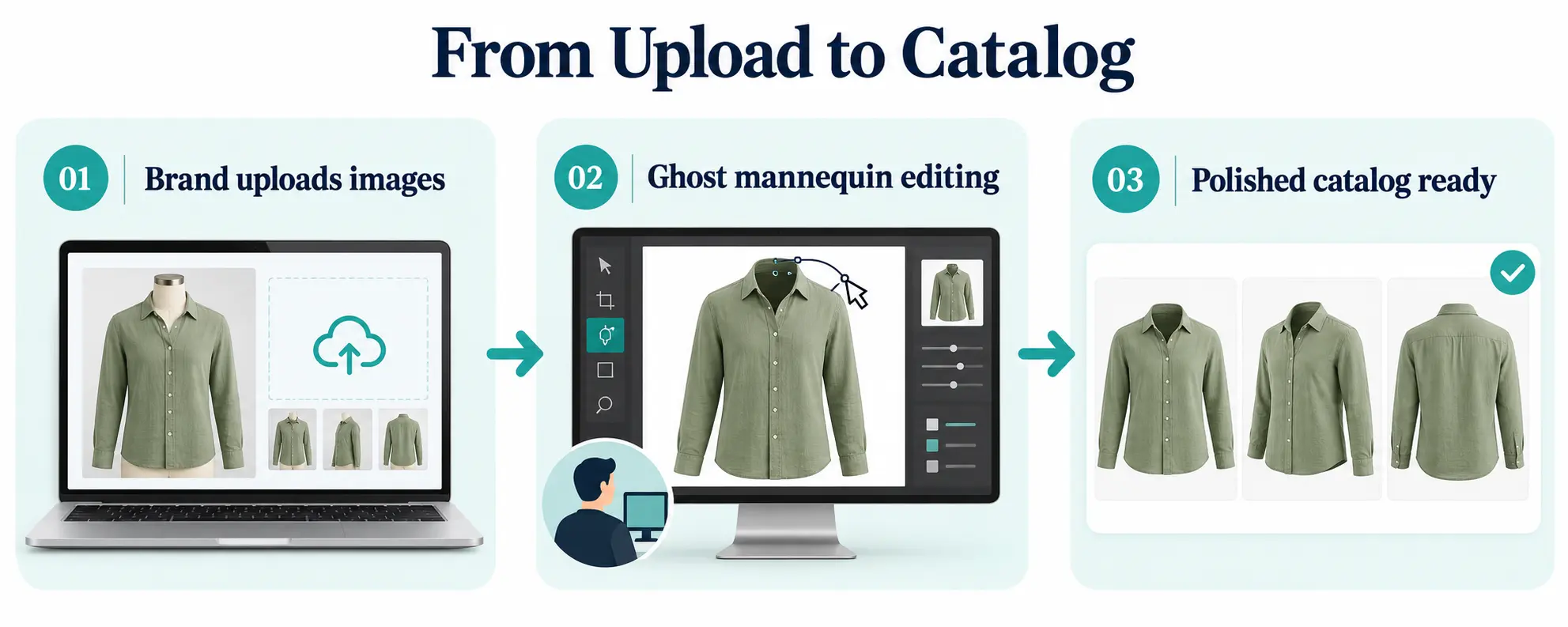
Outsourcing ghost mannequin services helps apparel brands gain efficiency, expertise, and consistency. This transforms product photography into a quick process. It supports growth, strengthens brand identity, and drives higher sales. Professional photo retouching companies like Perfect Retouching help brands achieve these goals.
Final Words
Ghost mannequin editing is more than a technical process. It’s a powerful tool for apparel brands to showcase products with accuracy, style, and consistency. It applies style‑specific techniques and avoids common mistakes. This helps brands elevate catalogs, reduce returns, and boost conversions.
Ghost mannequin editing transforms ordinary product photos into compelling visuals. It strengthens brand identity and drives long‑term success in fashion e‑commerce. Whether handled in‑house or through outsourcing services.